Family & history
A family business with heart
We, the Rohrmoser family, are very proud of our work and look forward to the future with excitement. We know that it is only through the strong cohesion of the whole family that we have been able to grow. So that you know who we are, we would like to introduce ourselves briefly:
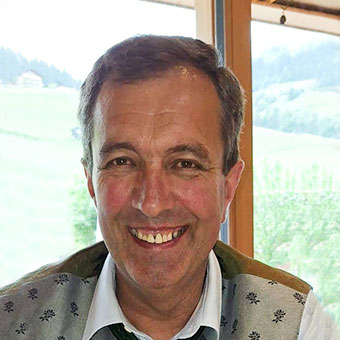
Johannes Rohrmoser
Also known as Hans, he was born in 1964 on the Klausbauer farm. In 1989, Hans and his wife Brigitte took over his parents’ farm. Animals have always been his passion. With ambition, strength, perseverance, inner calm and a vision for the farm and the alpine pasture, he and Brigitte have come a long way. When time allows, he enjoys hiking in nature or recharging his batteries at the thermal spa. His main tasks on the farm include: daily stable work, milking the cows and processing cow’s and goat’s milk into fresh sour cream butter and various types of cheese, hay harvesting on the farm and on the alpine pasture in summer, checking on our animals on the alpine pasture, chatting with guests… Hans is always ready with a funny saying. His motto: Nothing is impossible!
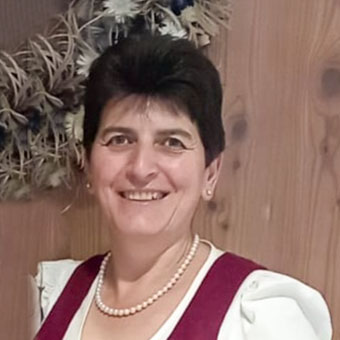
Brigitte Rohrmoser
Brigitte married Hans in 1987 and moved to his farm. They have three children together, the youngest of whom, Thomas, will take over the farm. Brigitte also grew up on a farm in Großarl and loves working with animals – she is particularly fond of young animals such as calves and fawns. For her, working in the barn is a welcome change and not work in the traditional sense. She greatly enjoys visits from children, especially her grandchildren, for whom she always makes time. When Brigitte is not working on the farm, she likes to be out in nature – walking, hiking, snowshoeing or even visiting the thermal baths. Her tasks on the farm include everything to do with rentals, daily stable work and lovingly providing the family with hearty meals. Wherever her help is needed, she is there. Her motto: stay down-to-earth and always have an open ear for everyone.
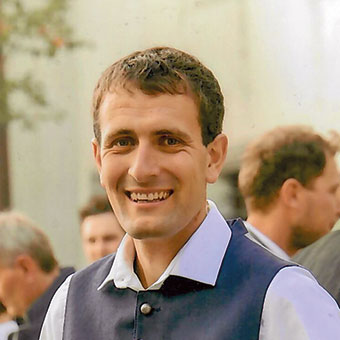
Thomas Rohrmoser
Thomas is the youngest of three children. He was born in 1995 and will take over his parents’ farm. His parents provided him with the perfect education for this. He attended the three-year agricultural college in Klessheim and thus also qualified as an agricultural technician. He then trained as an agricultural machinery mechanic at the Raiffeisenverband in St. Johann im Pongau. Thomas loves working with animals and tinkering with machines. The daily farm work is therefore a labour of love for him. When he is not working on the farm, he enjoys spending time in nature – hiking or skiing. His tasks on the farm include: daily work in the barn, haymaking, snow clearing, providing the animals with salt on the summer pastures, repairing agricultural machinery, etc. It is important to Thomas to continue running the farm with great enthusiasm, in a modern and practical way.
Our Klausbauer farm is a mountain farm in Großarl. It is located approximately 4.5 kilometres outside the town centre, surrounded by greenery in the Ellmautal valley.
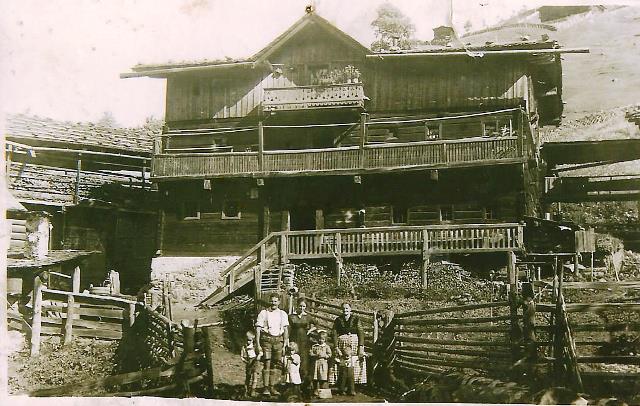
Where does the name “Klausbauer” come from?
Klaus – Klause comes from Latin and is a loanword for valley gorge. In the old land registers, there must have been two different Klaus estates. Both are referred to as Hinterklaus, but a Vorderklaus was never mentioned. The line of owners can be traced back to 1350. It has been owned by the Rohrmoser family since 1729. Johann Rohrmoser, the current farmer, took over his parents’ farm in 1989.
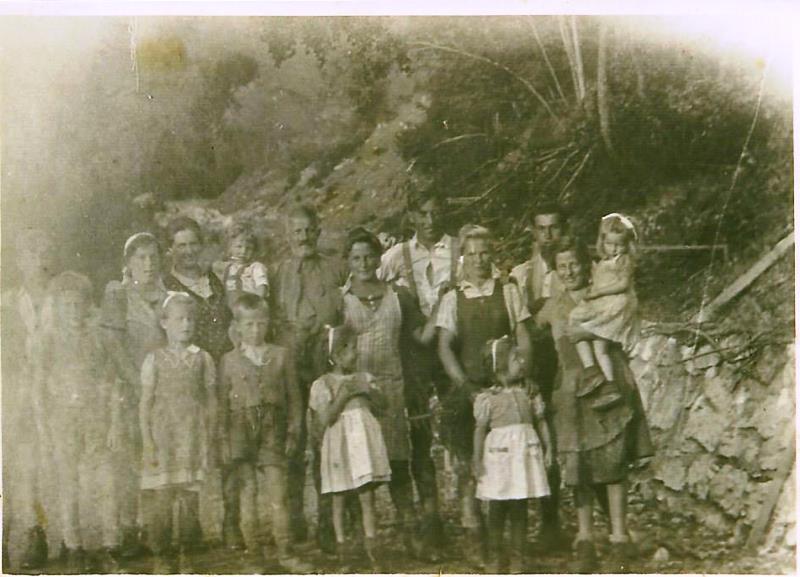
How times change…
We used to have up to ten servants working on our farm. From the 1960s onwards, machines and changes in farming methods meant that this number gradually decreased. Instead of arable farming, we only grew potatoes and vegetables for our own consumption. Haymaking and woodworking were part of everyday life. Today, specialised mountain farming machinery makes the work easier, shifting the focus to cattle breeding, dairy farming, direct marketing and the management and rental of the farm’s own alpine pasture, the Loosbühelalm. In the 1990s, the Klausbauer farm was known for its goat breeding, with around 150 animals. The milk was processed into cheese and delivered to the dairy. With the decline in milk prices, the farm was converted to cattle breeding. Today, the farm is home to around 20 goats, 20 pigs, around 70 cattle, as well as cats and rabbits.
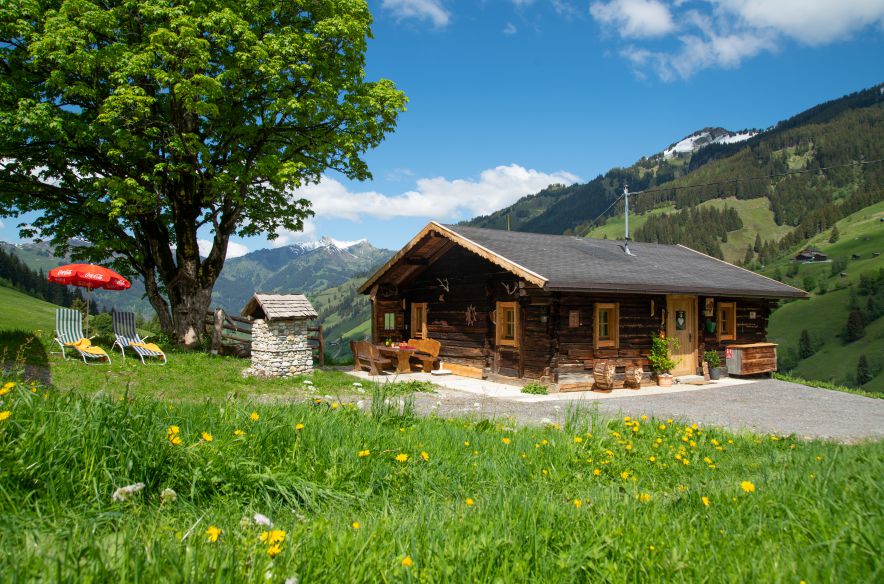
Our “Zulehen”, the “Hungarhubhütte”
This place also has an extraordinary history behind it. This is how it got its name: around 1300, when the cultivable land had been cultivated, a daring generation attempted to build a new life for themselves and began to reclaim new farmland in extreme locations. Some attempts failed, and the plague that soon followed brought an economic end to these extreme farms. Hungarhub escaped this fate, but must have had a difficult struggle. This is probably where the name Hungarhub comes – from hunger. In the past, the successful tenants were powerful and respected landlords. Before 1500, it was owned by the Ramseiders, and around 1700 it belonged to the Counts of Molz. Today, the hut is rented out via www.huetten.com.
Our alpine pasture, the “Loosbühelalm”
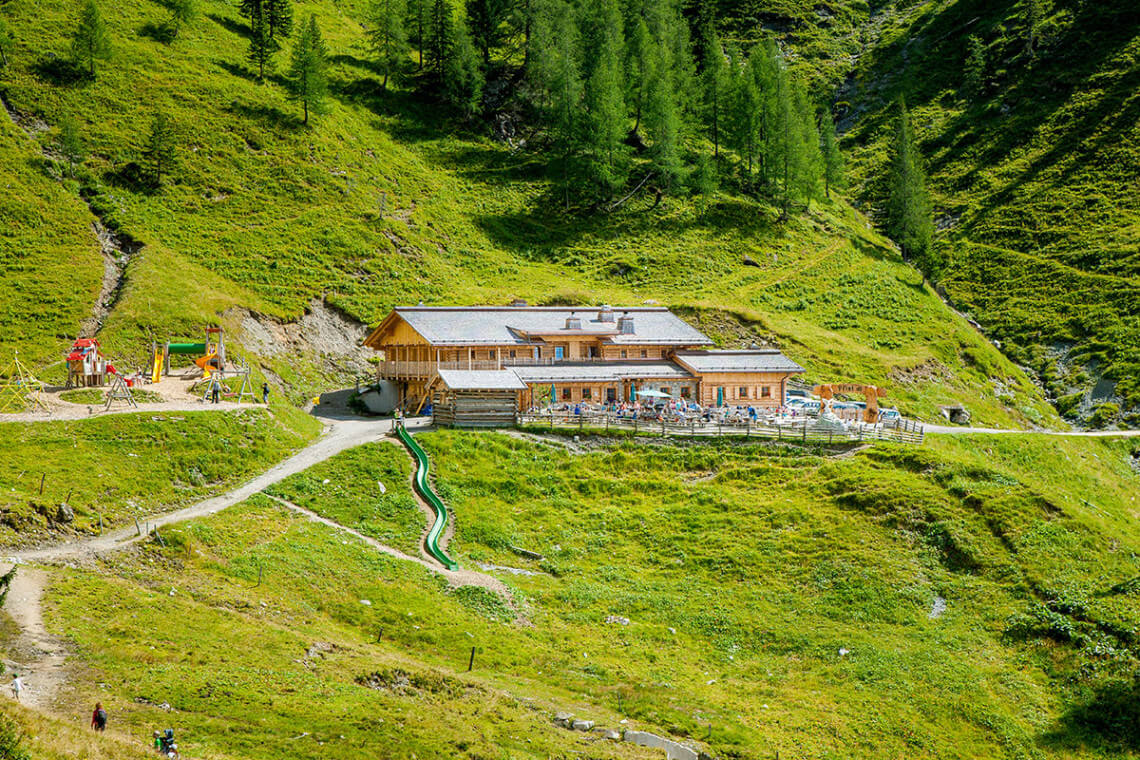
The Loosbühelalm, also referred to as Dilleggalm in agricultural records, is located in the rear Ellmautal valley at 1,769 metres above sea level. In the background of the Loosbühelalm is the mountain of the same name, the “Loosbichl”. Unfortunately, there is not much information available about our alpine pasture. Therefore, we do not know when it was built. From the 1930s onwards, it was used for farming in the summer and as a ski hut in the winter. From 1988 onwards, Hans’ parents spent the summer on the alpine pasture with their goats and cows. The farm’s own products were already being served here. During the winter of 2005 to 2006, we renovated and extended the alpine pasture. The barn was made suitable for cows and goats, with a milking parlour, which is almost a luxury on an alpine pasture. The dining rooms were enlarged and converted from dormitories for overnight stays to shared rooms with 38 beds. The terrace and playground were also expanded. Since May 2006, the Loosbühelalm has been run as a commercial enterprise.
16 October 2010 – A deep shock! The Loosbühelalm, which was completely renovated four years ago, is ablaze. It burned down completely except for the stable. The cause is still unknown. After this terrible event, however, it was clear to us that we would not give up and would rebuild it. With the help of regional companies, we managed to reopen in mid-May 2011. The size of the alpine hut has not changed much; mainly additional escape routes were required, which is why there is now a balcony.
Since 2016, we have also been open in winter: here we are the meeting place for ski tourers, snowshoe hikers, winter hikers, tobogganing parties, celebrations of all kinds or cosy evenings in the hut.